
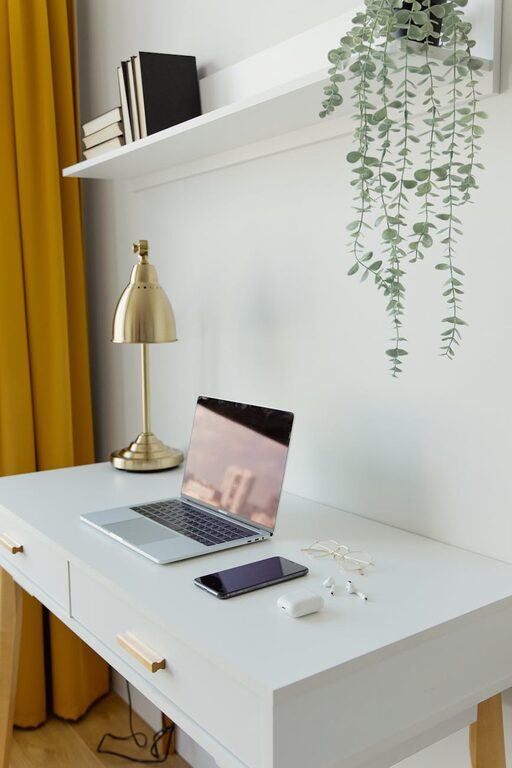
Creating a clutter-free workspace at home is essential for maintaining focus, boosting productivity, and reducing stress. Whether you work full-time from home or just need a dedicated spot for personal projects, an organized space can make a huge difference. This post offers simple, actionable tips to help you create a neat and inviting home office or work area.
Why a Clutter-Free Workspace Matters
Before diving into tips, it’s helpful to understand why keeping your workspace organized is important. A tidy environment:
– Minimizes distractions
– Saves time by making items easy to find
– Encourages better work habits
– Improves mental clarity and reduces stress
With these benefits in mind, let’s explore ways to design an efficient, clutter-free workspace.
1. Choose the Right Location
Start by selecting an appropriate area in your home for work. Ideally, this spot should be:
– Quiet and away from heavy foot traffic
– Well-lit, preferably with natural light
– Equipped with necessary electrical outlets
Having a dedicated spot minimizes disruptions and helps you mentally separate work from leisure.
2. Declutter Regularly
Clutter builds up quickly, so regular decluttering is key. Try these steps:
– At the end of each day, clear your desk of unnecessary items.
– Weekly, sort through papers and files; recycle or file what’s no longer needed.
– Limit decorations and personal items to a few meaningful pieces to prevent overcrowding.
Keeping only what you need within arm’s reach encourages a clean and focused space.
3. Use Storage Solutions Wisely
Good storage is essential for organizing supplies and minimizing visible clutter. Consider:
– Drawer organizers or trays to separate pens, paperclips, and other small items.
– Shelves or cabinets to store books, binders, and equipment out of sight.
– Desk organizers for frequently used items to keep them accessible but tidy.
Labeling storage containers can help you quickly find what you need without a mess.
4. Optimize Your Desk Setup
Your desk layout can impact both comfort and organization. Here are tips to optimize it:
– Keep only daily essentials on your desk, such as your computer, notebook, and a pen.
– Use vertical space by adding pegboards or wall organizers for notes and tools.
– Position your monitor at eye level to reduce strain and keep cables managed with clips or ties.
A neat desk setup not only looks inviting but supports better work habits.
5. Digitize When Possible
Paper clutter can overwhelm any workspace. To combat this:
– Scan important documents and store them digitally.
– Use apps for note-taking and task management rather than sticky notes.
– Opt for online calendars and to-do lists to keep your plans accessible and organized.
Reducing physical paperwork frees up space and simplifies organization.
6. Maintain Good Habits
Organization isn’t a one-time task; it’s an ongoing habit. To keep your space clutter-free:
– Set aside 5-10 minutes each day to tidy up.
– Adopt a “one in, one out” rule for new office supplies or decorations.
– Review your workspace monthly to remove unnecessary items.
Consistent upkeep prevents clutter from taking over again.
7. Personalize Thoughtfully
A workspace should feel welcoming but not crowded. Personal touches, like a small plant, a favorite photo, or a motivational quote, can create a pleasant atmosphere without adding clutter. Be selective to maintain a clean and productive environment.
Conclusion
Organizing a clutter-free workspace at home doesn’t have to be complicated. By choosing the right location, decluttering regularly, using smart storage, optimizing your desk, going digital, and maintaining good habits, you’ll create a space that enhances focus and productivity. Start with one tip today and enjoy the benefits of a tidy, stress-free work environment.
Remember, your workspace is where your ideas come to life—make it a place you enjoy!